

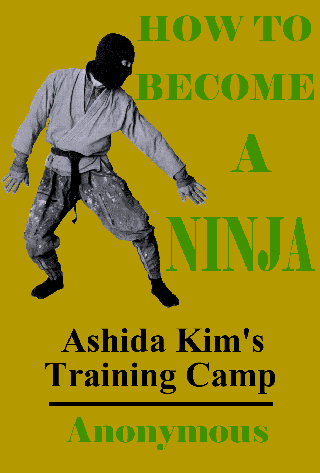
 Well, I don't suggest this one... But I'm a book lover. I firmly hold the belief that books hold all the accumulated knowledge of humanity. Why not the "deadly secrets" of the Martial Arts?
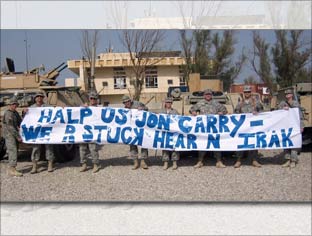 Talking politics can be a slippery slope, but here goes...
 I have, unfortunately, never been to the Bujinkan Hombu Dojo in Japan. Maybe someday.
 The Hombu Dojo is somewhat unusual among dojos in the sentimental clutter adorning the walls. It may come across to those unfamiliar with Hatsumi sensei as the martial arts version of a Bennigans, Chilis, or Applebees. This kind of sentimental attachment to souveniers is a little unusal for Japanese, but not for Hatsumi sensei. The decor is also the result of decades of foreign visitors bringing gifts to Soke. Gift giving in Japan has some odd rules, and in one sense, Hatsumi's receipt of a gift actually does place an obligation upon him not only to accept the gift gracefully, but keep and maintain the gift.
 This is the Shomen of the Dojo. This is the wall that is the focal point of the dojo, and quite rightly has the Kamidana shelf and the Shinden that is the Shinto shrine.
 The Shinden is a typical feature of the traditional Japanese dojo. What is very unusual for a Japanese dojo is that the Shomen also houses the racks of various weapons. Usually, the Shomen is kept neat and uncluttered. The only distinguishing feature is the Kamidana and the various accessories that go on and around it. If you are interested in why this is unusual, and what possible significance the Bujinkan arrangement might have, please read Dave Lowry's In the Dojo, a book a recommended several weeks ago.


 The Hombu Dojo is small. This is also not unusual for Japanese dojo.


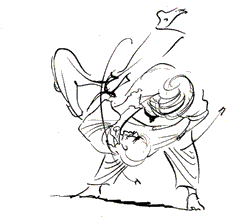
 Wow... Those are som escary foreign words in the title. What do they mean? Easy: "Distancing in seated forms." That's not so bad.
 From the Halls of Montezuma
From dawn to setting sun;
We have fought in ev'ry clime and place
Where we could take a gun;
In the snow of far-off Northern lands
And in sunny tropic scenes;
You will find us always on the job--The United States Marines.
 Here's health to you and to our Corps
Which we are proud to serve
In many a strife we've fought for life
And never lost our nerve;
If the Army and the Navy
Ever look on Heaven's scenes;
They will find the streets are guarded By United States Marines.

Semper Fi!

 Recognizing that I volunteered as a Ranger, fully knowing the hazards of my chosen profession, I will always endeavor to uphold the prestige, honor, and high esprit de corps of my Ranger Regiment.
 Acknowledging the fact that a Ranger is a more elite soldier who arrives at the cutting edge of battle by land, sea, or air, I accept the fact that as a Ranger my country expects me to move farther, faster and fight harder than any other soldier.
 Never shall I fail my comrades. I will always keep myself mentally alert, physically strong and morally straight and I will shoulder more than my share of the task whatever it may be. One-hundred-percent and then some.
 Gallantly will I show the world that I am a specially selected and well-trained soldier. My courtesy to superior officers, neatness of dress and care of equipment shall set the example for others to follow.
 Energetically will I meet the enemies of my country. I shall defeat them on the field of battle for I am better trained and will fight with all my might. Surrender is not a Ranger word. I will never leave a fallen comrade to fall into the hands of the enemy and under no circumstances will I ever embarrass my country.
 Readily will I display the intestinal fortitude required to fight on to the Ranger objective and complete the mission though I be the lone survivor.
 The sky was falling and streaked with blood
 You gave your love to see, in fields of red and autumn brown
You gave your love to me and lay your young body down
Up the stairs, into the fire
Up the stairs, into the fire
I need you near, but love and duty called you someplace higher
Somewhere up the stairs, into the fire
 May your strength give us strength
May your faith give us faith
May your hope give us hope
May your love give us love
May your strength give us strength
May your faith give us faith
May your hope give us hope
May your love give us love
May your strength give us strength
May your faith give us faith
May your hope give us hope
May your love give us love
 It was dark, too dark to see, you held me in the light you gave
You lay your hand on me
Then walked into the darkness of your smoky grave
Up the stairs, into the fire
Up the stairs, into the fire
I need your kiss, but love and duty called you someplace higher
Somewhere up the stairs, into the fire
May your strength give us strength
May your faith give us faith
May your hope give us hope
May your love give us love
May your strength give us strength
May your faith give us faith
May your hope give us hope
May your love give us love
 May your strength give us strength
May your faith give us faith
May your hope give us hope
May your love give us love
May your strength give us strength
May your faith give us faith
May your hope give us hope
May your love give us love
May your love bring us love

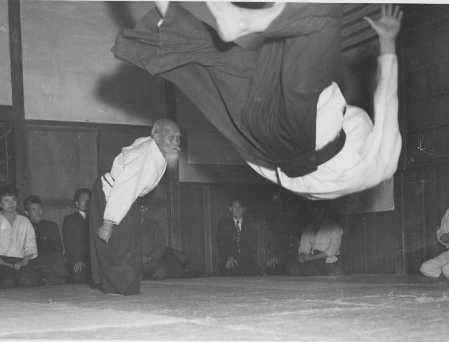 Jay Gluck was a young man trying to make a living as a writer and photographer in Post-World War II Japan. He sold an article on the exotic fighting art of Karate to True magazine and started looking for another equally exciting subject for men's magazines.